Congratulations to fellow antipodean, Connor Chamberlain, who was a winner in the 40th anniversary Writers and Illustrators of the Future earlier this year.
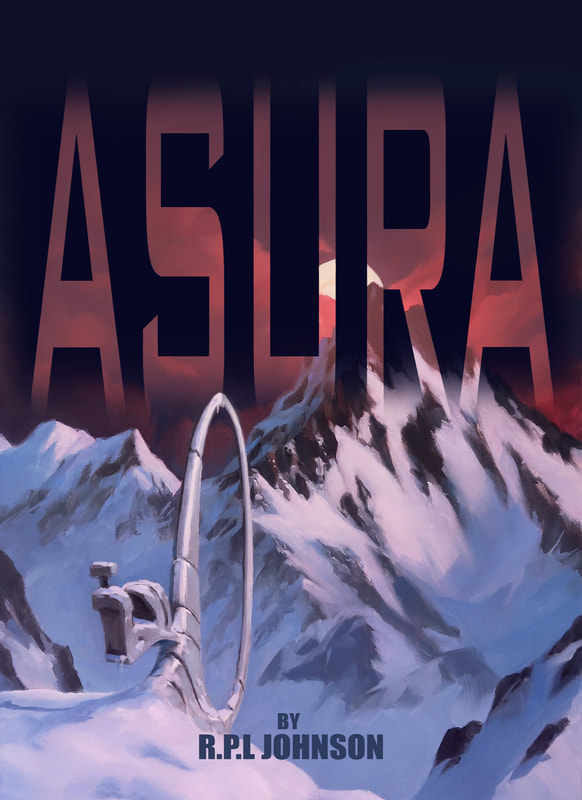
Connor is a visual artist and self-proclaimed 'fantasy nerd' from Dunedin, New Zealand. Connor says he draws inspiration from the natural landscape around him and looking through his work on his Instagram page, you can really see that come through.
Connor is a visual artist and self-proclaimed 'fantasy nerd' from Dunedin, New Zealand. Connor says he draws inspiration from the natural landscape around him and looking through his work on his Instagram page, you can really see that come through.

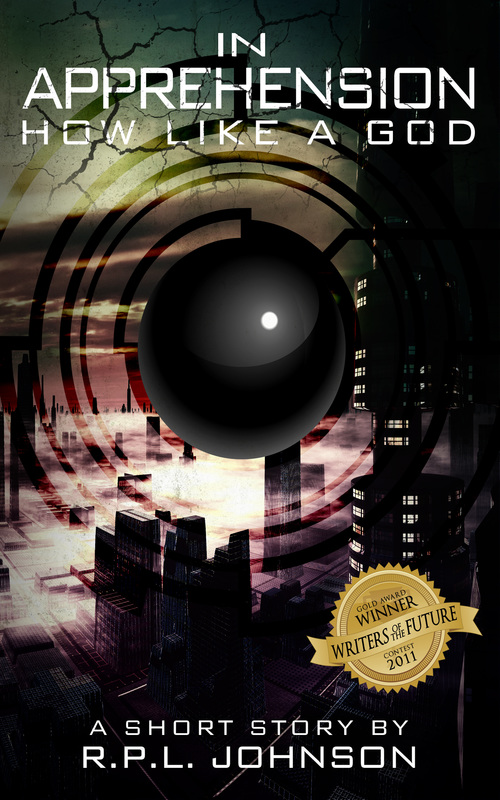
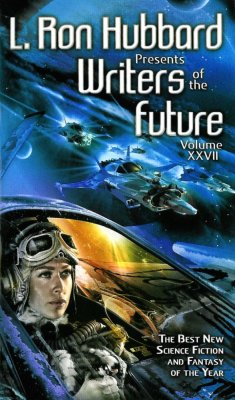
If you're familiar with my back-story, I won the writers side of this international competition back in 2011, in fact that was my first professional sale. That story earned a cash prize and a trip to Hollywood for a week-long workshop with professional writers like Kevin J Anderson, Tim Powers, Robert J Sawyer and the late, great Mike Resnick, culminating an a genuine, honest to goodness Hollywood black-tie award ceremony!
It looks like the competition is still going strong as Connor got similar treatment complete with flights, ceremony and a workshop with professional illustrators.
It looks like the competition is still going strong as Connor got similar treatment complete with flights, ceremony and a workshop with professional illustrators.


The great thing about the competition is that it's only open to new talent. If you've already published a novel or (if memory serves) three professionally-paid short stories, then sorry you can't enter. In that way it promotes new writers and illustrators and is still the best venue for finding and promoting new talent.
Anyway, congratulations Connor. I hope this is the start of a long and creative career. And to any other budding writers and illustrators, you can check out the competition at www.writersofthefuture.com/
Anyway, congratulations Connor. I hope this is the start of a long and creative career. And to any other budding writers and illustrators, you can check out the competition at www.writersofthefuture.com/


 RSS Feed